Project 1. Investigating the impact of TBRS-associated DNMT3A mutations on neurogenesis
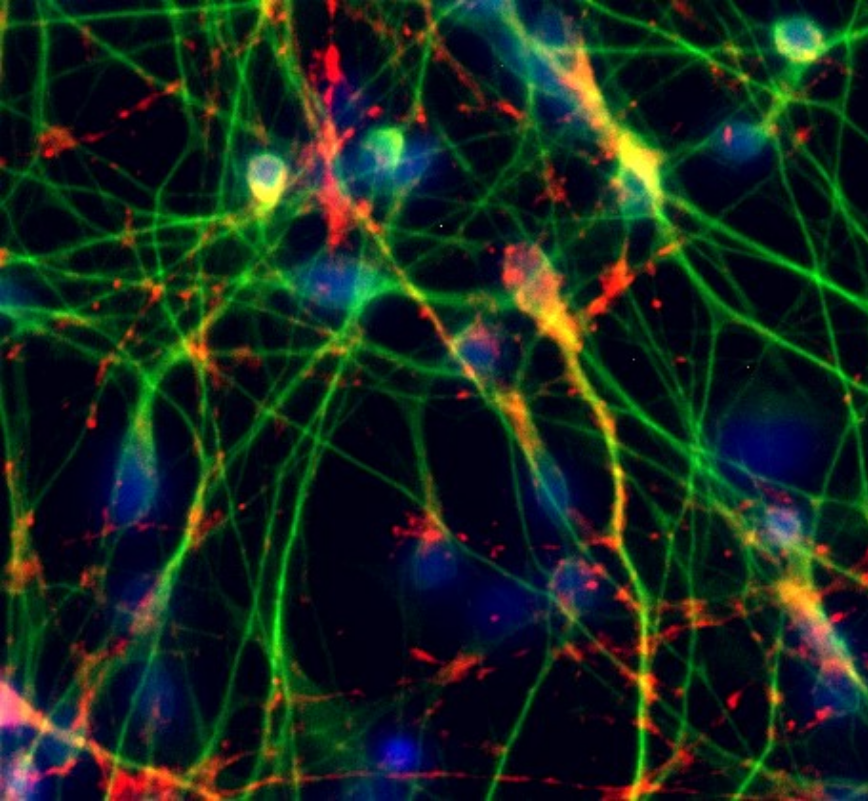
DNMT3A gene mutations can cause Tatton-Brown-Rahman Syndrome (TBRS), a rare condition that leads to overgrowth and neurodevelopmental challenges. Our lab studies how changes in DNMT3A affect brain development, using stem-cell–based models, mouse genetics, and cutting-edge molecular biology techniques to uncover the mechanisms behind TBRS — and pave the way toward better understanding and future therapies.

Fundings



Project 2. Understanding the epigenetic defects associated with Fetal Alcohol Spectrum Disorders
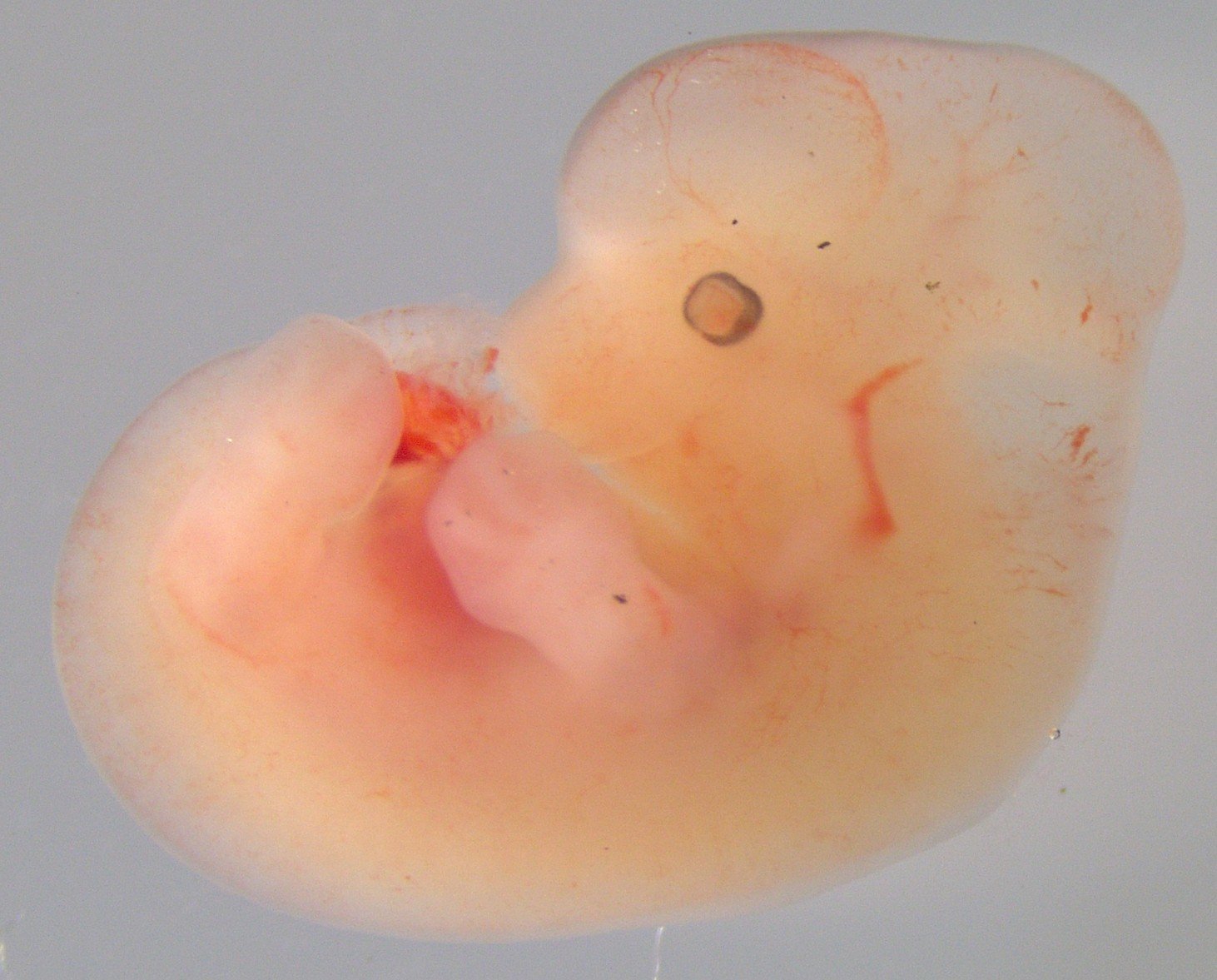
Using a well-established model in our lab, we aim to better understand how pre-implantation alcohol exposure affects the epigenome and gene expression during early development. Recent studies from our team revealed sex-specific effects and showed that placental epigenetic signatures could serve as indicators of alcohol exposure during pregnancy.
Fundings
Some genes, known as imprinted genes, must be methylated exclusively on either the maternal or paternal allele. This crucial asymmetry is maintained by the DNA methyltransferase DNMT1. However, it remains unclear whether epigenetic alterations caused by DNMT1 loss can be fully reversed. Using mouse embryonic stem cells and state-of-the-art molecular biology approaches, our lab investigates whether these epigenetic defects can be completely rescued and whether such corrections remain stable over time. Looking for more details? Check out our recent study to dive deeper into this work.
Project 3. Decoding how imprinted genes are precisely controlled
Fundings